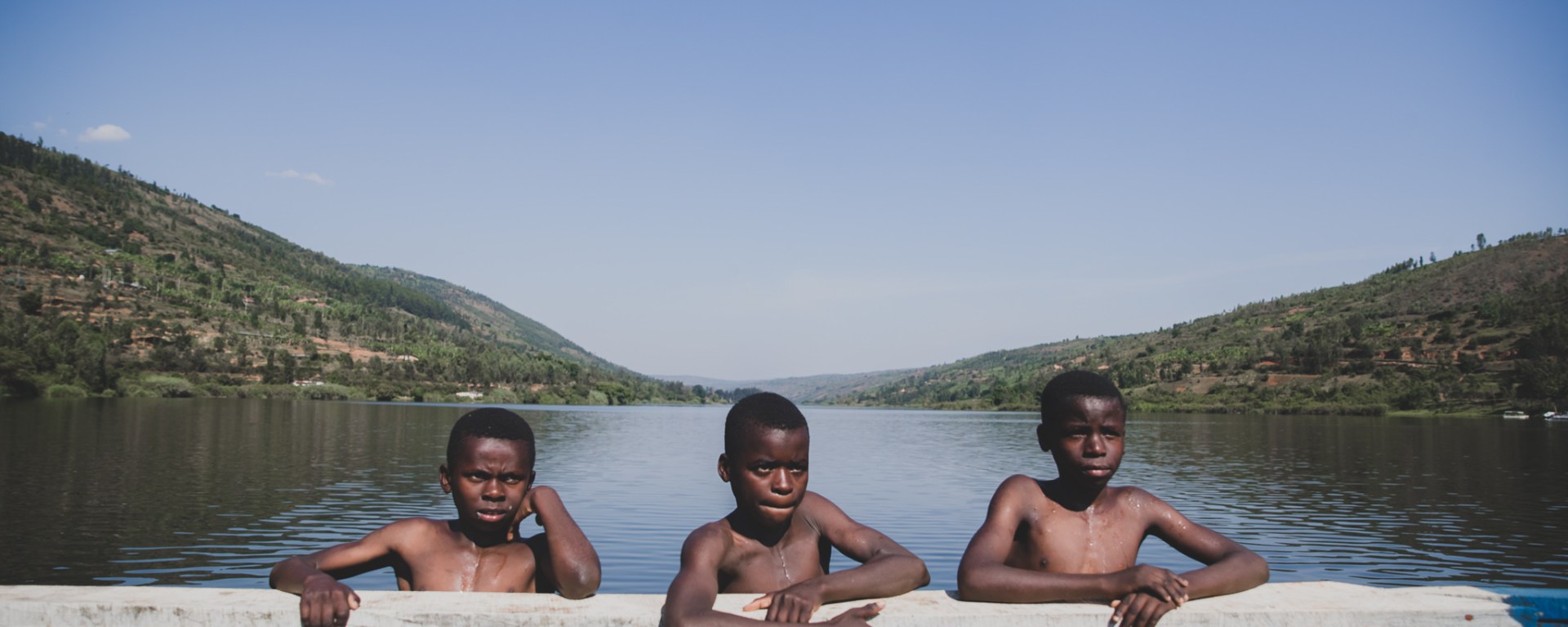
What are the effects of war on children in Africa?
One of the most war-stricken continents in the world, yet most resourceful and still remains economically unstable is Africa. How can such a resourceful nation be unstable? Due to a lack of adequate psychological, medical and educational facilities, and resources, it remains in a constant cycle of economic instability. To this very day, the source of the problem remains unsolved, which creates terrible effects on children. As stated in an article by UNICEF, UNICEF . Children are most vulnerable to abuse, exploitation, and trafficking during times of war.
What is the impact of war on children in Africa, one might ask? The impact of war on children in Africa is very directly significant in the future development of many children. As children grow they experience abuse during their adolescent years, and they learn to evolve with their current surroundings, whether in a good or bad way. This is mainly due to the lack of love or care, from a motherly being or guardian. In times of war, a child’s state of emotion is crucially weakened in all aspects of life, such as his happiness, thoughts, reason to look forward to tomorrow. This may lead to long term effects such as not ever really finding a motive or purpose in life to have a better future. Examples of these long term effects are distrust in the people in the community they live in, and not having a mentor or adult for guidance in life ( Belle). Not having a positive adult in one’s life, may lead to wrong decisions such as teenage pregnancies, drug mental health, malnutrition, education and many more. The result of this is a consistent cycle of generations of families that are unstable and have no real footing in life ( Shinkman). Amidst all these circumstances, how can one be physically, mentally, and financially enabled to be successful? A child going through all these trials with little to no guidance in his life is set to be like a cow put in a farm with no one to look after it, having the possibility of being useful but not having the proper care, and guidance (Duff-Brown). How can one ever strive to be his better self, and help his country’s economy grow with no reason to.
During times of war, children experience gruesome situations and are exploited by many around them. A study found that an estimated 3.1 million and 3.5 million infants born in a 30 miles radius of armed conflict faced death indirect consequences of battles from 1995 to 2015. This number goes up drastically to 5 million deaths around the ages of 5 and below in the same 3o miles radius (Duff-Brown). Many children are raped and sexually violated such as girls, who are victims of pregnancies or are so injured to the point of maiming and can no longer bear children. Children experience the psychological effects of post-war-related trauma, such as Post-traumatic stress disorder common in many war veterans ( Belle). Thousands of children are forced into being child soldiers against their will and held as captives of many rebel groups or terrorist groups. Many terrorist groups such as the Boko Haram and other rebel groups take children captive and give them clothes and food in return to fight for them. Up to this day, nobody really knows how many child soldiers there are in the world since there is no child soldier registry. Children’s ideologies of life are also suppressed by their captives to change them into killers. Many also face the loss of loved ones, parent’s jobs, destruction of their agriculture, homes, infrastructure, and churches (Shinkman). In effect, children are then subject to little to no education, due to having to stay home and look after their younger siblings, and many also are left to live on the streets in situations of extreme poverty. This leads to their moral, and spiritual beliefs changing and often lie, steal and sell sex in order to survive. An analysis gathered statistics that found that conflicts are ten times higher to occur than the 2015 global burden of diseases. This study also concluded that fifteen thousand events caused a million deaths in thirty-four of the fifty-four countries in Africa (Duff-Brown).
How can children be helped in war-stricken areas towards a brighter Children are the future of this world, once all were children and there were essential needs that one needed every day, that many take for granted. what one is enabled to learn throughout our adolescent years gives us a strong foundation of what one will become in the future. This can be done by providing countries with funds such as money, medical equipment, and rehabilitation clinics for both psychological and physical needs(Huber). This is done through non-government organizations all over the world, in which donors give their time and money to fight these side effects on children and provide them with the utensils for a better future. This can also be done through missionary work in war-stricken areas and taking food, clothes, medicine, water. For example during wars people sources of water are destroyed or taken away, this can then lead to the spread of diseases and dehydration Huber.
In conclusion, due to the lack of adequate psychological, medical and educational facilities and resources, Africa remains in a constant cycle of economic instability. These are mainly effects from the many devastating past wars over the years that affect many generations to follow. This has led to long term effects such as teenage pregnancies, drug mental health, malnutrition, education. Many children remain exposed to little or no education, having to stay home and look after their younger siblings, while others are left to live on the streets. This can all be changed by helping children have a brighter future, through giving of your time, awareness, money, medical equipment, and rehabilitation clinics for both psychological and physical needs. This can be done through non-government organizations such as World Vision, UNICEF who give their time and money to fight these side effects on children and provide them with the utensils for a better future. Children are the future of this world and by stopping this cycle of post-war effects the world will become better together as one.
Works Cited
Belle, Carrie, et al. “African Children in Conflict and Crisis.” UNICEF Connect, 15 June 2016, blogs.unicef.org/blog/african-children-in-conflict-and-crisis/.
“Conflict.” UNICEF USA, http://www.unicefusa.org/mission/emergencies/conflict.
Duff-Brown, Beth. “African Armed Conflict Kills More Children Indirectly than in Actual Fighting.” News Center, 2018, med.stanford.edu/news/all-news/2018/08/african-armed-conflict-kills-more-children-indirectly-than-actual-fighting.html.
Huber, Chris, and Kathryn Reid. “East Africa Hunger, Famine: Facts, FAQs, and How to Help.” World Vision, 30 Jan. 2019, http://www.worldvision.org/hunger-news-stories/east-africa-hunger-famine-facts.
Shinkman, Paul D. “Study: More Children Die in Africa From After Effects War Than From War Itself.” U.S. News & World Report, U.S. News & World Report, 2015, http://www.usnews.com/news/best-countries/articles/2018-08-30/study-more-children-die-in-africa-from-after-effects-war-than-from-war-itself.
 isaacblog.travel.blog